
Small Business Trends to Watch in 2025
The trends reshaping small business in 2025: AI adoption, automation, changing consumer expectations, and how to stay ahead of the curve.
Marcus Johnson
Local SEO Specialist
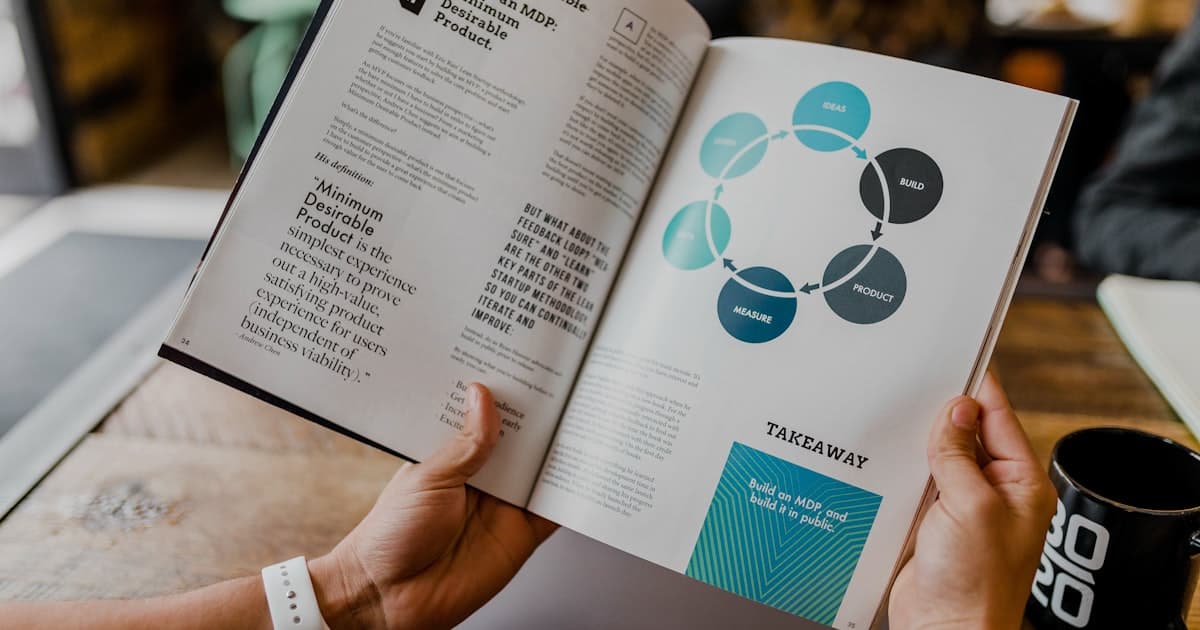
Quick Answer: The biggest small business trends in 2025 are AI adoption (89% of small businesses now use AI), rising consumer expectations for response times and personalization, and the local business renaissance where 47% of consumers prefer locally-owned companies. According to multiple industry studies, businesses adapting to these trends are seeing 25-55% productivity gains and 40% faster growth.
Key Takeaways
- According to Intuit research, 89% of small businesses are now leveraging AI, with businesses seeing $3.50-$4.00 return for every dollar spent on AI tools
- According to BrightLocal's 2025 Consumer Review Survey, 93% of consumers expect businesses to respond to reviews, and 87% expect responses within two weeks
- According to LocaliQ research, 60% of small businesses now work with at least one marketing partner, and 55% of consumers want more collaborations between small businesses
- According to Deloitte research, small businesses with strong digital presence grow 40% faster than those without
- According to Time Doctor research, 87.7% of small business owners struggle with mental health issues, making sustainable business practices a critical trend
The major trends reshaping small business in 2025 center on three areas: AI-powered automation, elevated consumer expectations, and the resurgence of local business preference. According to Intuit research, 89% of small businesses now leverage AI tools, while BrightLocal data shows 93% of consumers expect businesses to respond to their reviews. The businesses thriving in 2025 are those embracing technology while maintaining authentic human connection.
The small business landscape in 2025 looks nothing like it did five years ago. AI has moved from buzzword to daily tool. Consumer expectations have shifted dramatically. And the businesses adapting fastest are pulling away from those stuck in 2019 thinking.
This isn't a trend listicle filled with vague predictions. These are the documented shifts happening right now, backed by data, with practical implications for how you run your business.
Trend 1: AI Goes Mainstream for Small Business
Forget the sci-fi narratives. AI for small business in 2025 is practical, affordable, and focused on eliminating tedious work.
The numbers tell the story: According to Intuit research, 89% of small businesses are now leveraging AI. That's not early adopters anymore—that's the mainstream.
Where Small Businesses Actually Use AI
According to a PayPal survey, 77% of small businesses report that marketing and customer engagement represent the areas where AI would have the greatest impact.
The specific applications:
- 84% willing to automate marketing content creation (social posts, email copy, ad variations)
- 59% willing to automate customer service inquiries (chatbots, FAQ responses, review replies)
- 80% plan to integrate AI chatbots into customer support by end of 2025
The ROI is Real
This isn't hope-based investment. According to ColorWhistle research, businesses using AI see $3.50-$4.00 return for every dollar spent, with productivity increases of 25-55% depending on the level of automation.
For customer service specifically:
- 95% of SMBs using AI report improved response quality
- 92% experience faster turnaround times
What This Means for You
The AI tools available to small businesses today cost $15-100/month, not thousands. Customer service automation, review response tools, content generation assistants, and scheduling automation all fit small business budgets.
The question isn't whether to adopt AI—it's which tasks to automate first. Start with the repetitive work that eats your time but doesn't require your expertise. Review responses, appointment confirmations, FAQ replies, and social media scheduling are practical starting points.
Trend 2: Consumer Expectations Are Rising Fast
Your customers' expectations didn't freeze in 2019. They've been trained by instant Amazon deliveries, real-time Uber tracking, and Netflix algorithms that know what they want to watch.
Now they expect that same responsiveness from your business.
The Response Time Crunch
According to BrightLocal's 2025 Consumer Review Survey, the new expectations are clear:
- 93% of consumers expect businesses to respond to reviews
- 87% expect responses within two weeks
- 88% would use a business that responds to reviews; only 47% would consider one that doesn't respond at all
That last stat deserves emphasis: you lose nearly half your potential customers by not responding to reviews.
Video Has Become Essential
Three-quarters of consumers (76%) now use video content when researching local businesses. They want to see your business, your team, your work—not just read about it.
This doesn't require professional production. Phone-shot behind-the-scenes content, customer testimonials, and "how we do it" videos perform well because authenticity matters more than polish.
Personalization Is the New Baseline
According to McKinsey research, personalization is no longer a differentiator—it's expected. Customers assume you remember their preferences, recognize them when they return, and don't make them repeat information.
The businesses winning on customer experience aren't doing anything fancy. They're using simple CRM systems to track customer history and referencing it in every interaction.
Trend 3: The Reviews Landscape Has Shifted
Online reviews continue to dominate purchase decisions, but the dynamics have evolved significantly.
Trust Has Shifted
A surprising stat: According to WiserReview research, 54% of consumers now trust online reviews more than recommendations from family, marketing, media, or influencers. Reviews have become the most trusted source of business information.
At the same time, consumers have become more sophisticated. They know what fake reviews look like. They check multiple platforms. And they pay attention to how businesses respond to criticism.
The "Trust Sweet Spot" for Ratings
Perfect 5.0 ratings actually trigger skepticism. According to WiserReview research, the most trusted rating range is 4.2-4.5 stars. Consumers see this as authentic—high quality with some normal variation.
- 89% trust businesses rated 4.5-4.9 stars
- 92% will choose a business with at least 4 stars
- 55% ignore businesses rated below 4 stars
Recency Matters More
According to WiserReview research, 73% of consumers only trust reviews written in the last month. Old reviews, even positive ones, carry diminishing weight.
This means review generation can't be a one-time campaign. It needs to be an ongoing part of your customer experience strategy.
Trend 4: Local Is Having a Renaissance
While e-commerce continues growing, there's a counter-trend: consumers increasingly value local businesses and want to support them.
Consumer Preference for Local
According to NielsenIQ research, 47% of consumers globally identify locally owned companies as important to their purchase decisions.
The top reasons customers choose local businesses over chains:
- Location and convenience (49%)
- Product quality (45%)
- Price (43%)
- Want to support local business (41%)
- Positive impact on local economy (38%)
But Digital Presence Is Non-Negotiable
Supporting local doesn't mean customers will accept a poor digital experience. According to Deloitte research, small businesses with strong digital presence grow 40% faster than those without.
The combination consumers want: local ownership with modern convenience. They'll choose you over the chain—if you make it easy to do business with you.
Local SEO Is Table Stakes
According to LocaliQ research, 65% of businesses now prioritize local SEO in their marketing efforts. Those investing in local search see better ROI, with 46% of marketers reporting improved returns.
Your Google Business Profile, local keyword strategy, and review presence determine whether local customers find you or your competitors.
Trend 5: Partnerships and Collaboration Are Growing
Small businesses are increasingly finding strength in numbers through strategic partnerships.
Partnership Adoption
According to LocaliQ research, 60% of small businesses now work with at least one marketing partner, and 73% of those work with multiple partners.
Mentions of "marketing collaboration" have grown 41% year-over-year, and goal-setting in collaboration conversations has increased 318%—indicating these partnerships are becoming more sophisticated and results-focused.
What Effective Partnerships Look Like
Strategic local partnerships expand reach without expanding advertising budgets:
- Cross-promotion: Restaurants partnering with local theaters, salons partnering with wedding venues
- Shared events: Pop-up collaborations, community festivals, charity partnerships
- Referral networks: Complementary businesses referring customers to each other
- Resource sharing: Splitting costs on marketing, events, or even inventory
Building strategic partnerships isn't just about marketing—it strengthens your position in the local business ecosystem.
Consumers Want More Collaboration
Here's an interesting data point: According to LocaliQ research, 55% of consumers want more collaborations between small businesses. They actively enjoy seeing local businesses work together and support each other.
This creates opportunities for joint promotions, bundled offerings, and community-focused marketing that consumers genuinely appreciate.
Trend 6: The Automation Imperative
Beyond AI, broader automation is reshaping what small businesses can accomplish with limited staff.
Current Adoption
According to Podbase research, 99% of small businesses in the United States use at least one digital platform, and automation tool adoption has grown from 55% in 2019 to 79% by 2021—a trajectory that's only accelerated.
The businesses not automating routine tasks are increasingly at a competitive disadvantage. Not because automation is fancy, but because it frees time for the work that actually requires human judgment.
What to Automate
The highest-impact automation opportunities for small businesses:
- Appointment scheduling: Self-service booking eliminates back-and-forth
- Review management: Automated responses ensure every review gets a reply
- Email sequences: Welcome series, follow-ups, and re-engagement run automatically
- Invoice and payment: Automatic sending, reminders, and processing
- Social media posting: Schedule content in batches instead of daily interruptions
The Human-Automation Balance
According to Gartner research, 60% of customer service interactions will be handled by AI by 2028, up from 15% in 2023.
But the key word is "handled," not "replaced." The best implementations use automation for routine interactions while escalating complex or sensitive situations to humans. Tools like HeyThanks handle the routine review responses automatically, but flag negative reviews that need personal attention.
Trend 7: Mental Health and Sustainability for Owners
A less-discussed but critical trend: growing recognition that burnout is a business risk.
The Burnout Reality
According to Time Doctor research, 87.7% of small business owners struggle with mental health issues. Specifically, 34.4% report feeling burnt out—one-third of all business owners.
This isn't just a personal concern. Burnt-out owners make worse decisions, provide worse customer experiences, and are more likely to close or sell their businesses.
The Sustainability Shift
More owners are actively designing their businesses for sustainability rather than just growth:
- Setting boundaries on working hours
- Building teams and systems rather than doing everything personally
- Using automation to reduce manual workload
- Prioritizing high-impact activities over constant busyness
The businesses thriving in 2025 aren't necessarily the ones working the hardest. They're the ones working the smartest—building systems that produce results without requiring the owner's presence in every interaction.
How to Position Your Business for 2025
Based on these trends, here's a practical action plan:
Immediate (This Month)
-
Audit your automation: What routine tasks still require manual effort? Pick one to automate.
-
Check your review response rate: If you're not responding to every review, fix that. Either commit the time or implement a tool to handle it.
-
Update your Google Business Profile: Add recent photos, check your information accuracy, post an update.
Short-Term (This Quarter)
-
Implement one AI tool: Start with something practical—a writing assistant, chatbot, or automated scheduling.
-
Develop a video strategy: Even simple phone videos of your work, team, or behind-the-scenes content.
-
Reach out about partnerships: Identify three complementary local businesses and propose a collaboration.
Long-Term (This Year)
-
Build systems, not just habits: Document your processes so they can eventually run without you.
-
Invest in your digital presence: Website optimization, local SEO, and consistent content.
-
Design for sustainability: Structure your time and business to prevent burnout while maintaining growth.
The Businesses That Will Win
The trends point to a clear pattern: businesses that embrace automation while maintaining authentic human connection are pulling ahead.
Consumers want the convenience of modern digital experiences AND the personal touch of local business. They want quick responses AND genuine care. They want efficiency AND authenticity.
The technology available in 2025 makes this possible in ways it never was before. Automation handles the routine. AI assists with content and responses. Digital tools manage scheduling and communication.
That leaves you free to do what actually requires you: building relationships, solving complex problems, making judgment calls, and running the business only you can run.
The question isn't whether these trends will affect your business. They already are. The question is whether you'll adapt proactively or reactively.
The businesses watching these trends and adjusting now will have significant advantages over those who wait. Start with one change. Build from there.
Tags
Frequently asked questions
What percentage of small businesses are using AI in 2025?
According to Intuit research, 89% of small businesses are now leveraging AI, primarily for automating repetitive tasks. Over 50% are actively exploring AI implementation, with 25% having fully integrated AI into daily operations.
What is the biggest technology trend for small businesses in 2025?
AI-powered automation is the dominant trend, with 77% of small businesses reporting that marketing and customer engagement represent uses where AI would have greatest impact. Businesses using AI report 25-55% productivity increases and $3.50-$4.00 ROI for every dollar spent.
How are consumer expectations changing for small businesses?
Consumers now expect faster responses (93% expect review responses, 87% within two weeks), more personalized service, and seamless digital experiences. 55% want more collaborations between small businesses, and 76% use video content when researching local businesses.
Keep reading
More field notes from the queue.

Small Business Growth
Scaling Your Small Business: When and How
A practical guide to recognizing when you're ready to scale, avoiding premature growth, and building systems that support sustainable expansion.
Small Business Growth
Pricing Strategies for Service Businesses
How to price your services for profitability: moving beyond hourly rates, implementing value-based pricing, and confidently raising prices.

Small Business Growth
Hiring Your First Employee: A Complete Guide
Everything you need to know about hiring your first employee: when you're ready, what it actually costs, legal requirements, and how to set them up for success.

Small Business Growth
Financial Management Basics for Small Businesses
The essential financial practices every small business owner needs: cash flow management, profit tracking, pricing for profitability, and building financial resilience.